The Lived Realities of Disability Rights in Nigeria
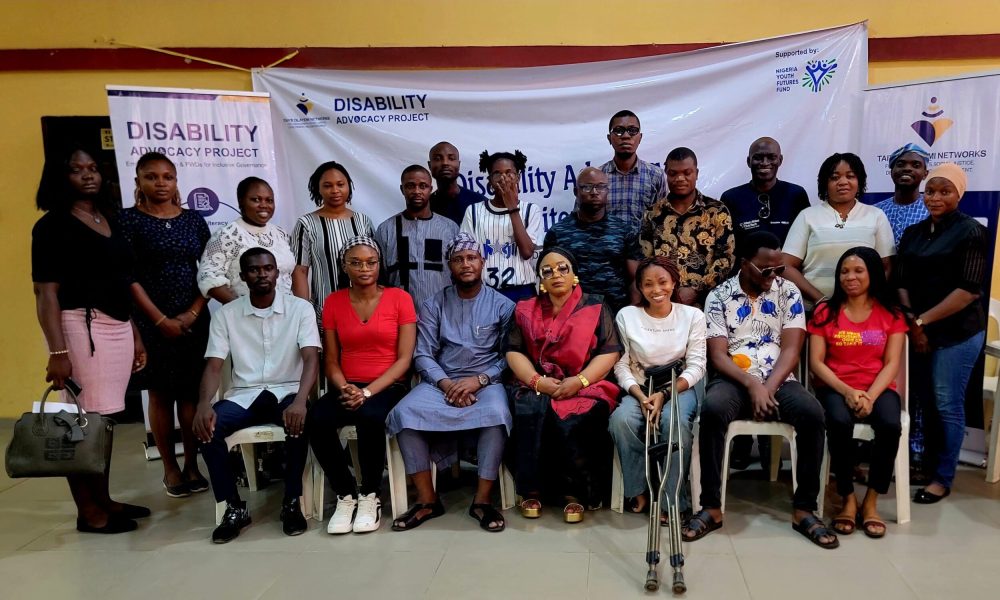
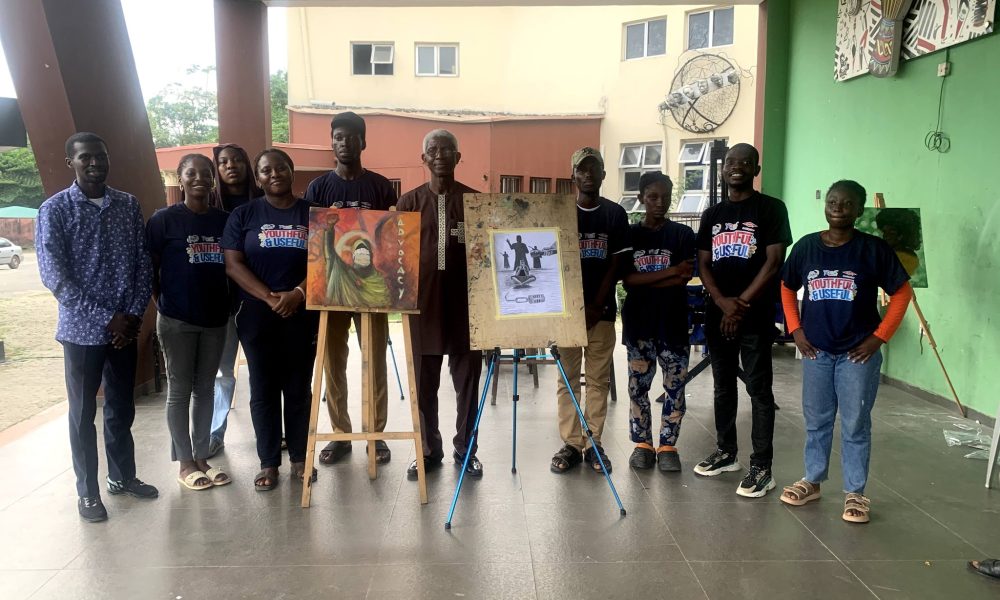
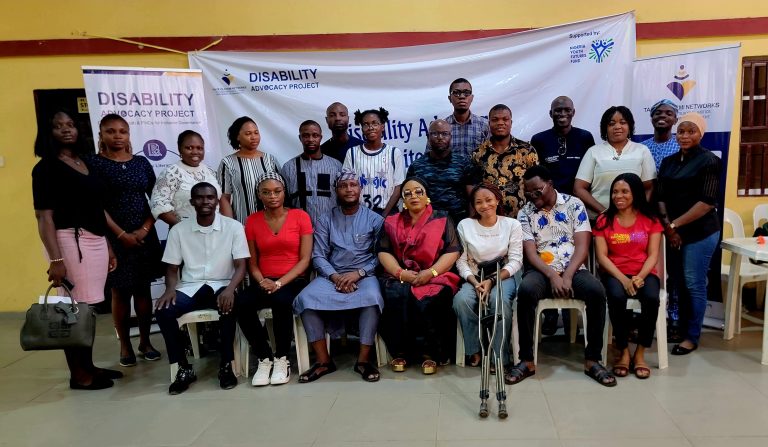
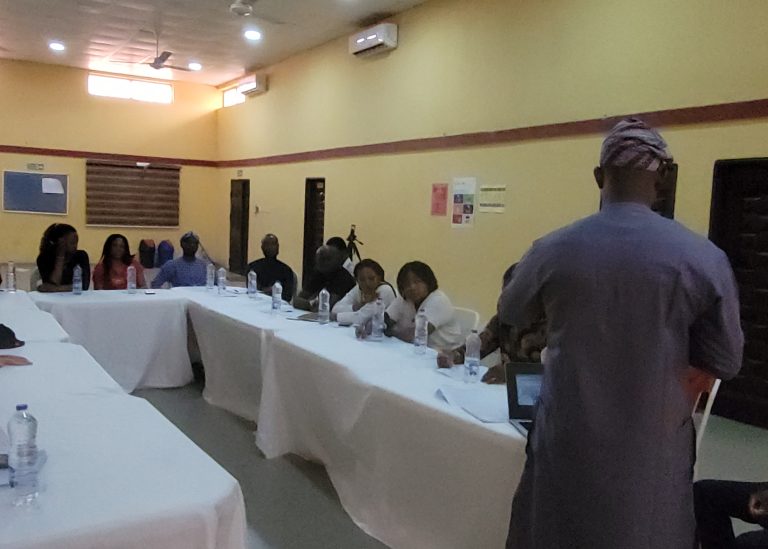
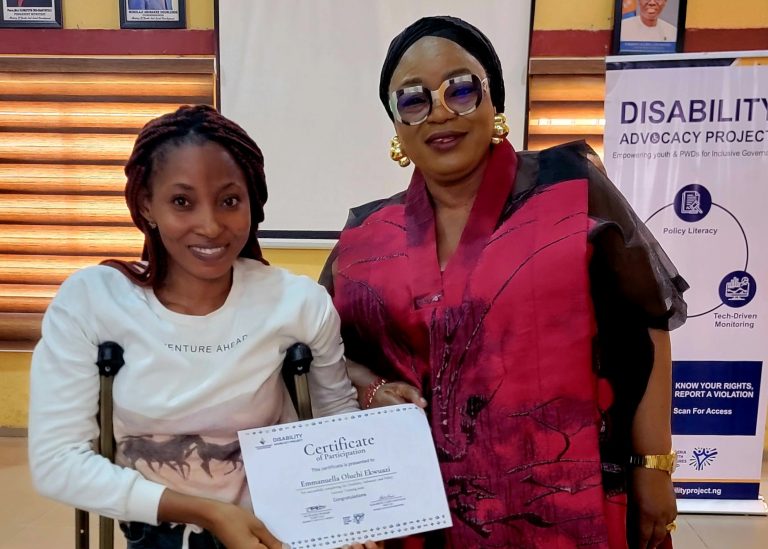
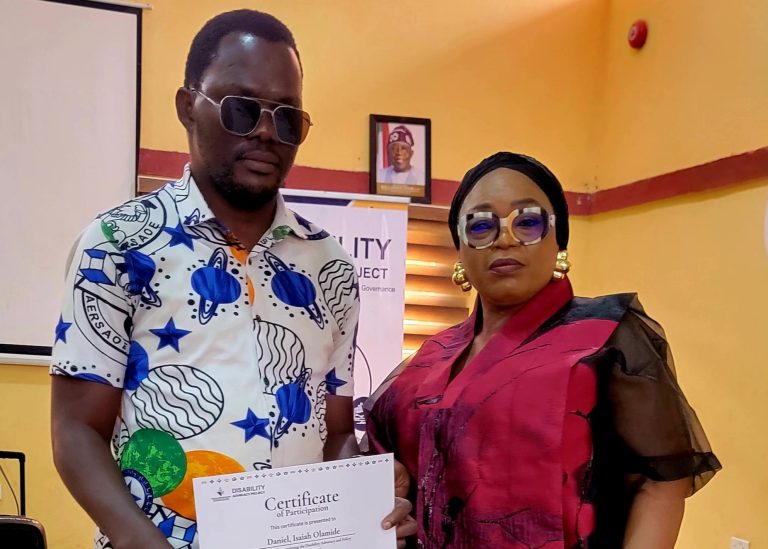
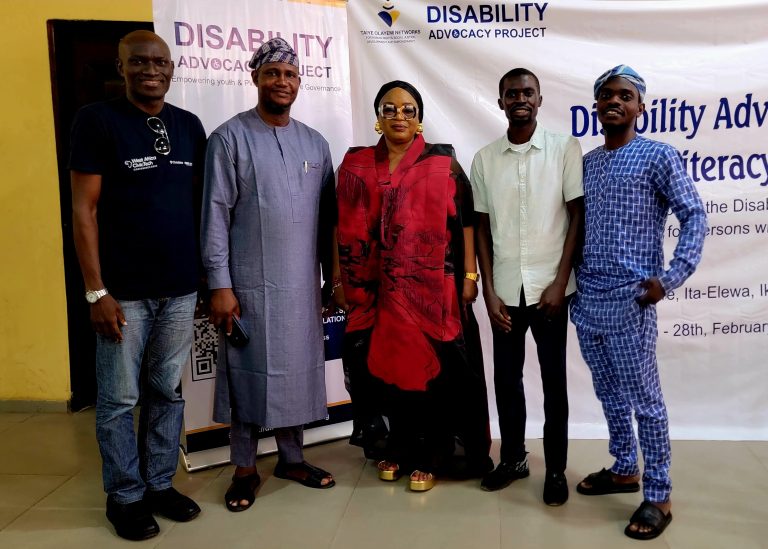
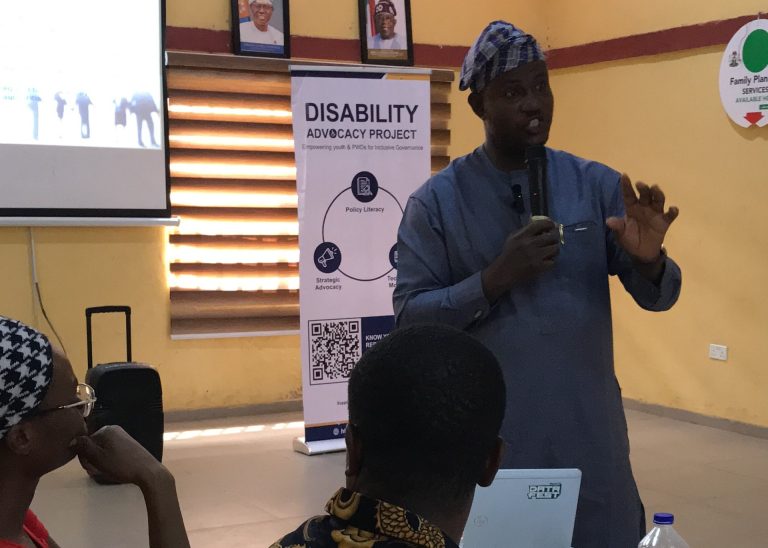
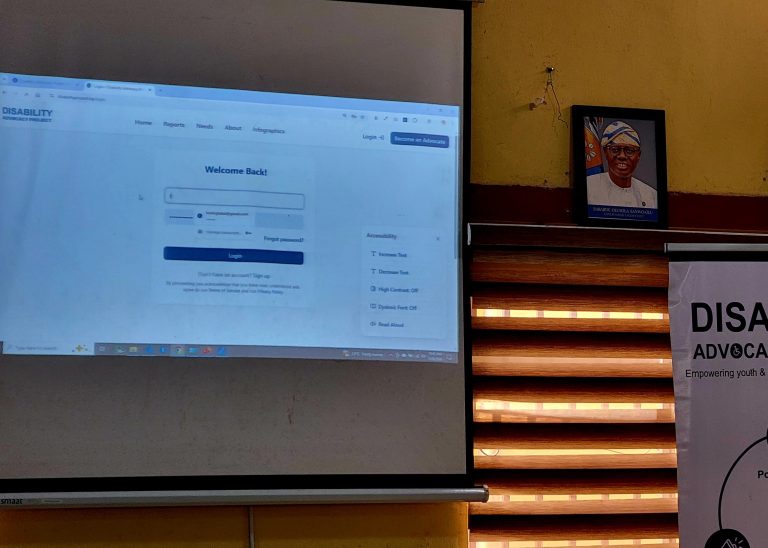
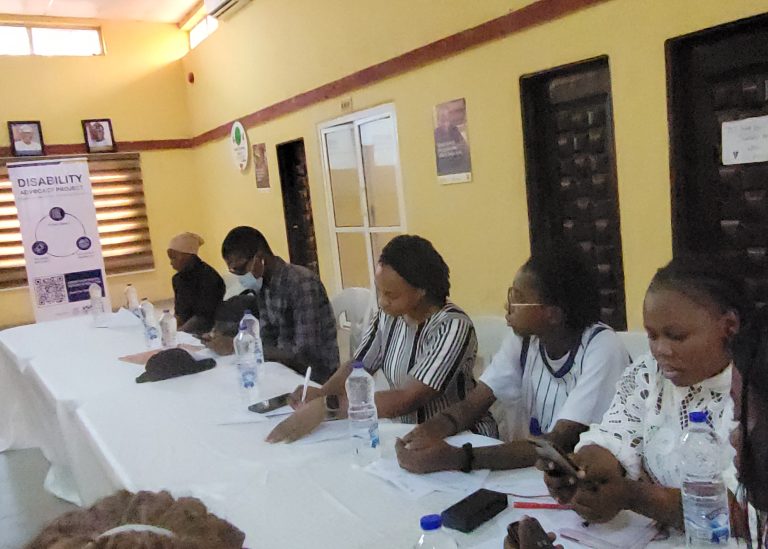
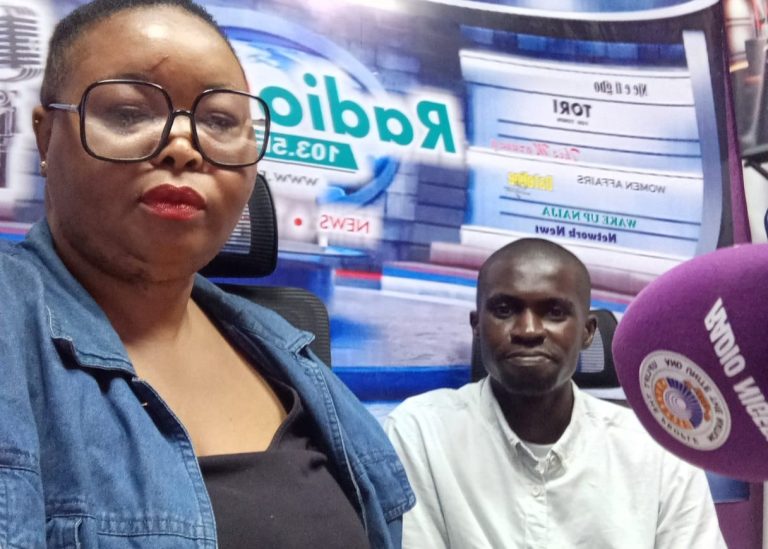
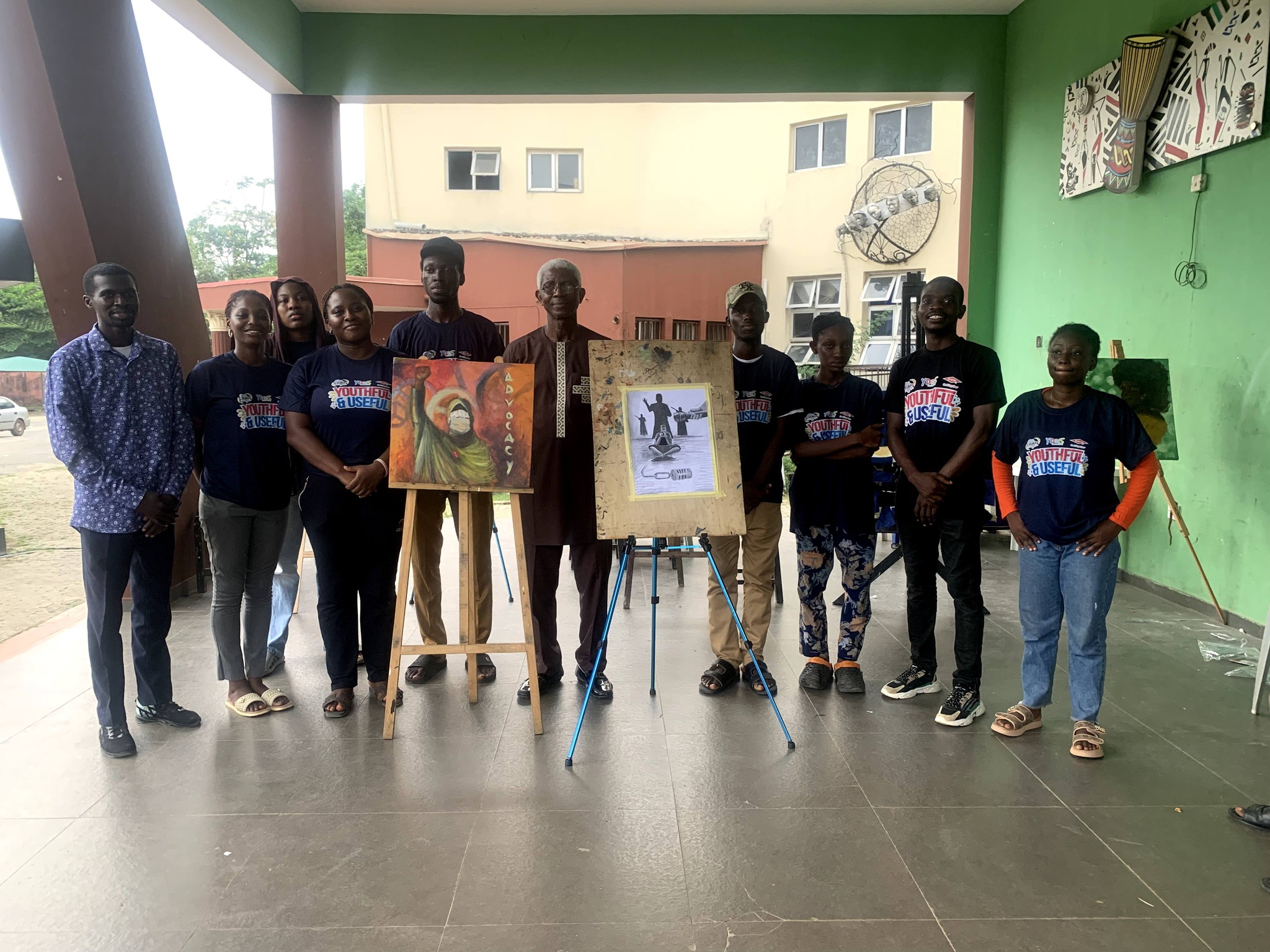
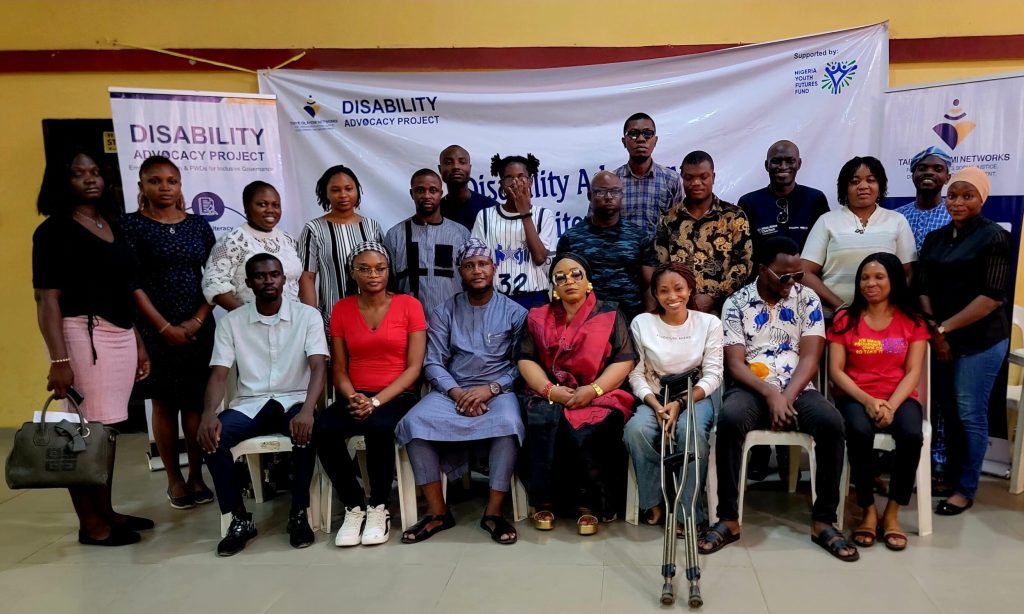
The Lived Realities of Disability Rights in Nigeria Inclusion May 6, 2026 Florence Olubajo Nigeria has laws that protect the rights of persons with disabilities yet, for many persons with disabilities, the existence of rights in law does not necessarily translate into rights in everyday life. A recent webinar on The Lived Realities of Disability Rights in Nigeria examined this gap between what the law promises and what people actually experience. The discussion focused on the barriers that persist, what has already been done, and what needs to happen to make disability rights more meaningful in practice. The Problem Nigeria has the Discrimination Against Persons with Disabilities (Prohibition) Act, 2018 and ratified the UN Convention on the Rights of Persons with Disabilities (CRPD) in 2010. Yet, implementation and enforcement remain important challenges. Some of the major issues discussed were: Poor enforcement across infrastructure, education, employment and public services. Discrimination and social exclusion, including stereotyping, unemployment and limited participation. Physical and digital accessibility barriers, including obstructed ramps, inadequate parking and inaccessible digital systems. Attitudinal barriers, such as negative perceptions, pity-based approaches and exclusionary institutional practices. Insufficient compliance data and weak reporting mechanisms. Limited awareness of disability rights and accessibility standards. Accessibility is also much broader than simply entering a building. It includes the physical environment, transportation, information, communication technologies and public services. How We Got Here Nigeria’s approach to disability has gradually shifted from charity and welfare towards rights, equality and inclusion. Some key developments include: 1993: The Nigerians with Disabilities Decree provided an early federal legal framework for disability rights. 2007–2010: Nigeria signed the CRPD in 2007 and ratified it in 2010. 2010–2018: Several states developed disability laws and policies. 2018: The Discrimination Against Persons with Disabilities (Prohibition) Act was passed, providing broader legal protection and establishing the basis for the National Commission for Persons with Disabilities. 2020: The NCPWD became operational as the federal institution responsible for promoting and protecting disability rights. 2023–2024: Nigeria ratified the African Disability Rights Protocol in October 2023 and deposited the instrument in January 2024. The journey can therefore be understood as:Charity and welfare → rehabilitation → legal recognition → human-rights protection → accessibility and inclusion → institutional implementation.But this progression also raises another question: What happens when the law exists but implementation remains inconsistent? What Has Been Done? Several measures have been undertaken to address disability-rights challenges. Legal and Institutional Framework Nigeria enacted the 2018 Disability Act, which provides protections relating to accessibility, education, healthcare, employment and participation, and established the NCPWD. Nigeria’s commitments under the CRPD also provide an international framework for equality, non-discrimination, accessibility and participation. Disability Advocacy Project TONHR established a Disability Advocacy Project to strengthen monitoring and advocacy. The project trained 20 advocates in Lagos State as civic monitors, simplified disability laws into accessible infographics and developed a platform for monitoring implementation. The disabilityproject.ng platform provides tools for reporting compliance and non-compliance, lodging complaints, submitting community needs and conducting sector-based audits. Users can also attach photographs, audio and video evidence. The platform covers areas including health, education, transportation, infrastructure and justice, while also incorporating features such as screen-reader support, colour-blindness modes and scalable font sizes. What Still Needs To Be Done The discussion made it clear that having laws and institutions is only part of the process. The next step is ensuring that these protections are consistently experienced in everyday life. Some of the key priorities include: Strengthening implementation and enforcement across all levels of government. Expanding accessibility audits to both public and private facilities. Improving disability data through reliable and disaggregated information. Strengthening evidence-based advocacy using verifiable reports and documentation. Increasing community awareness of disability rights and accessibility standards. Strengthening participation by involving persons with disabilities and their organisations in policy design and monitoring. Developing and expanding civic technology, platforms such as disabilityproject.ng that collect reliable data, reporting compliance and non-compliance, lodging complaints, providing evidence to support monitoring, enforcement and implementation of disability laws. Why It Matters: For You and For Me The webinar reminded me that disability rights are not measured by the existence of laws alone, but by whether those rights can actually be experienced and exercised in everyday life. A ramp that is blocked cannot provide meaningful access, a website that cannot be navigated using assistive technology cannot provide equal digital access and a workplace that technically accepts applications but does not provide reasonable accessibility may still create barriers to employment. What stood out to me is the importance of moving from awareness to accountability. Knowing that a right exists is important, but being able to identify a violation, document it and engage the responsible institution is what can help turn rights on paper into meaningful inclusion. In Nigeria, the Discrimination Against Persons with Disabilities (Prohibition) Act of 2018 set important standards, but the gap between the law and lived experience remains wide. Persons with disabilities should also be part of the conversations and decisions that affect them. Their lived experiences provide an essential perspective on whether policies and accessibility measures work in practice. The challenge, therefore, is not simply to create more policies, but to ensure that existing rights are implemented, monitored, and experienced. Disability inclusion should not stop at recognizing rights. It should be reflected in the everyday realities of the people those rights are meant to protect. Florence Olubajo Program Associate 2 Comments A WordPress CommenterMay 6, 2026 at 5:08 PM | Edit Hi, this is a comment. To get started with moderating, editing, and deleting comments, please visit the Comments screen in the dashboard. Commenter avatars come from Gravatar. Reply Taiye OlayemiMay 27, 2026 at 8:39 AM | Edit dwdwd Reply Leave a Reply Cancel reply Logged in as Taiye Olayemi. Edit your profile. Log out? Required fields are marked * Message* Δ This site uses Akismet to reduce spam. Learn how your comment data is processed.